Be confident in your skin
Access expert diagnosis and treatment for skin, hair, and nail issues from the comfort of your own couch. Talk to a Doctor today and get back to your life.
Untreated skin conditions can increase the risk of secondary infections, which can be more difficult to treat
Skin conditions such as itching, pain, and inflammation can be uncomfortable and even debilitating
Some skin conditions, such as acne, eczema, or psoriasis, can cause long-term damage to the skin if left untreated
Accessible Treatment
Get online prescriptions for acne and other skin conditions through SnapMED. Prescriptions are provided at the doctor’s discretion and can be delivered or picked up at a local pharmacy.
Book your Appointment
Sign in to your account and schedule your appointment to talk to a doctor that day
Connect with a Physician
Get diagnosed and describe your symptoms in a video consultation
Get Treatment
Treatment plans provided if needed, prescription delivered
What We Treat
What is acne?
Acne occurs when hair follicles get blocked and inflamed. It’s a common skin issue affecting our oil-producin glands. There are different forms or types of it.
Who gets acne?
Acne is common among teenagers, especially between 16-18 years. Both genders and all races can get it. But it’s not limited to youth; kids and older adults can also experience it.
What is rosacea?
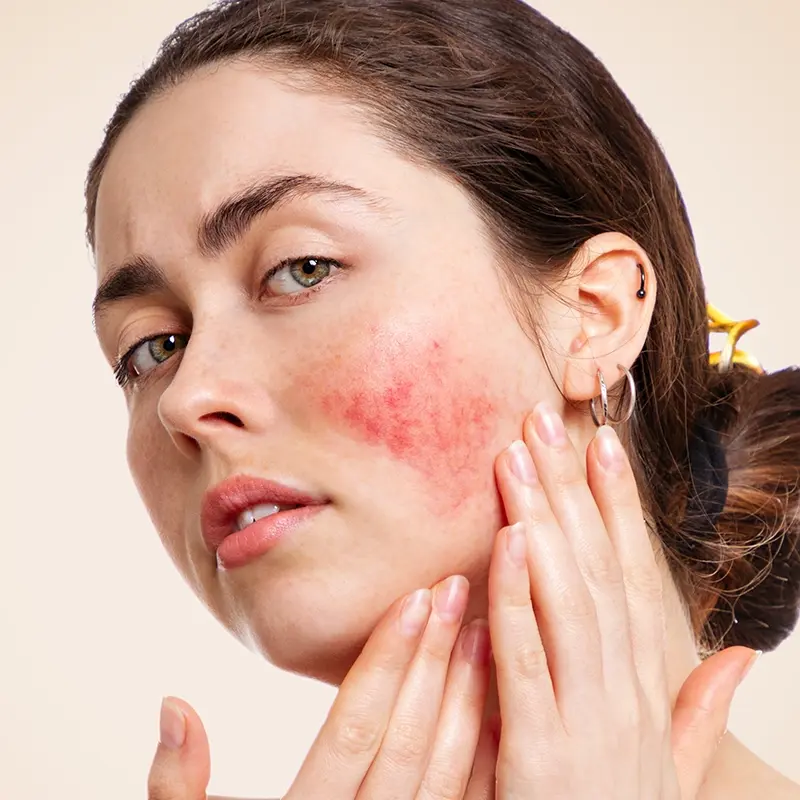
Rosacea is a long-term skin condition causing facial redness, mainly on the central face. It often begins between ages 30-60. It can come and go, but lifestyle, skincare, medications, and treatments manage it.
Who gets rosacea?
Rosacea affects about 5% of adults globally. It’s common in both men and women, often starts after 30, and is more common in fair-skinned, blue-eyed individuals or those of Celtic/North European background. It’s harder to spot in darker skin tones. Also, rosacea has links with conditions like depression, anxiety, high blood pressure, heart issues and others.
What is atopic Eczema?
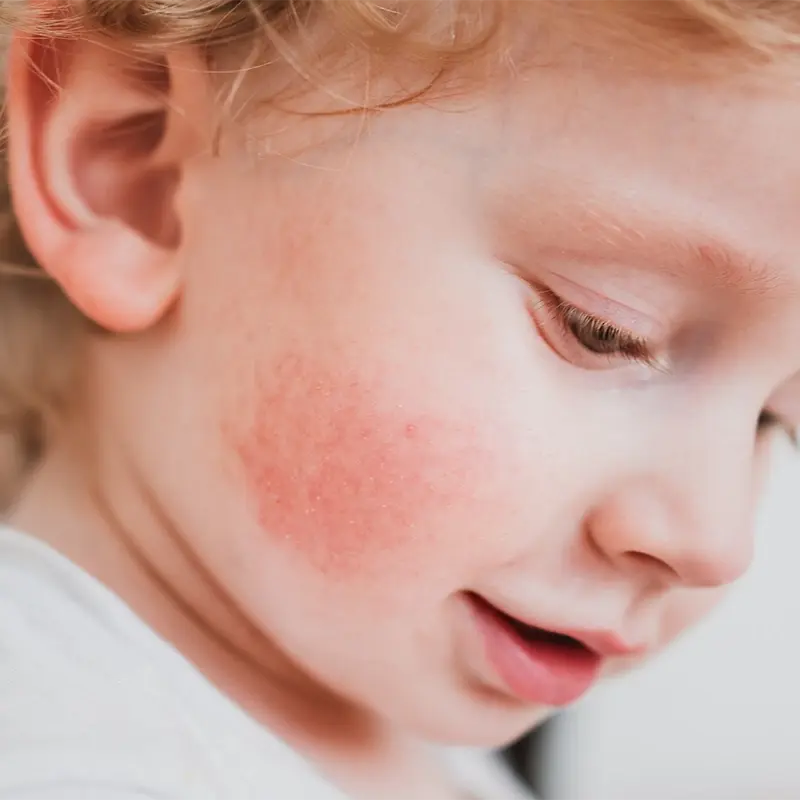
Atopic Eczema, also called atopic dermatitis, the most common inflammatory skin disease worldwide, presents as generalized skin dryness, itch, and rash.
Who gets atopic Eczema?
Atopic dermatitis is a skin condition affecting 230 million globally, mostly in wealthier countries. Those with it often have hay fever, asthma or food allergies. While all races can get it, some are more prone due to genetics. It usually starts in childhood, often before age 6, but can affect all ages. It can improve as one grows but still affects young adults.
What is psoriasis?
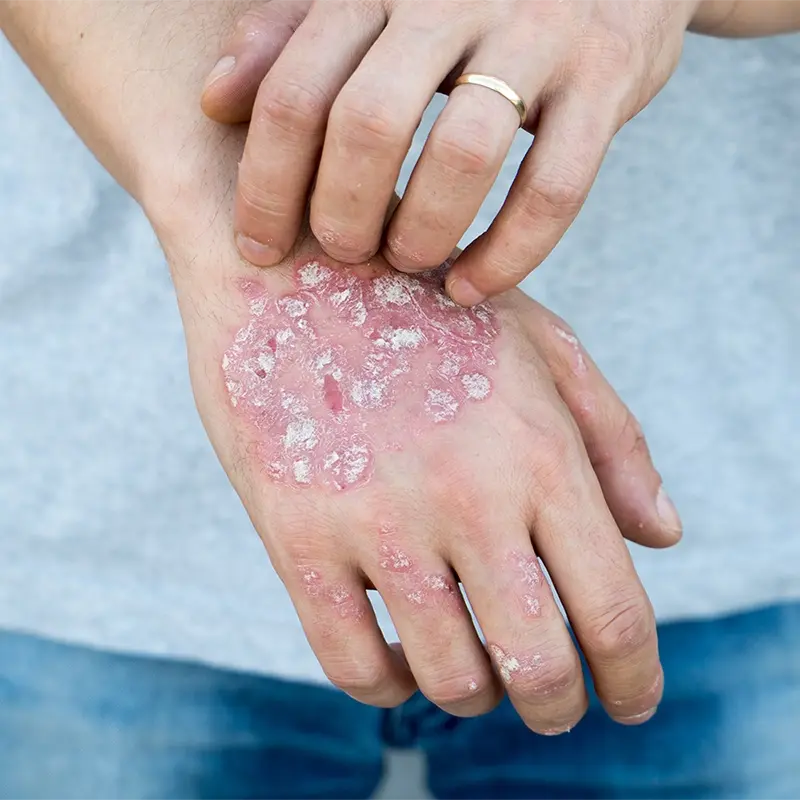
Psoriasis is a chronic inflammatory skin condition characterized by clearly defined, red and scaly plaques. It is classifed into several types.
Who gets psoriasis?
Psoriasis is a skin condition affecting 2-4% of people. It can begin at any age, often between 15-25 or 50-60 years. It lasts a lifetime but varies in severity. Common in Caucasians, it can affect anyone, and often runs in families.
What is seborrhoeic keratosis?
Seborrhoeic keratosis is a harmless warty spot that appears during adult life as a common sign of skin ageing. Some people have hundreds of them.
Who gets seborrhoeic keratosis?
Seborrhoeic keratosis are extremely common. It has been estimated that over 90% of adults over the age of 60 years have one or more of them. They occur in males and females of all races, typically beginning to erupt in the 30s or 40s. They are uncommon under the age of 20 years.
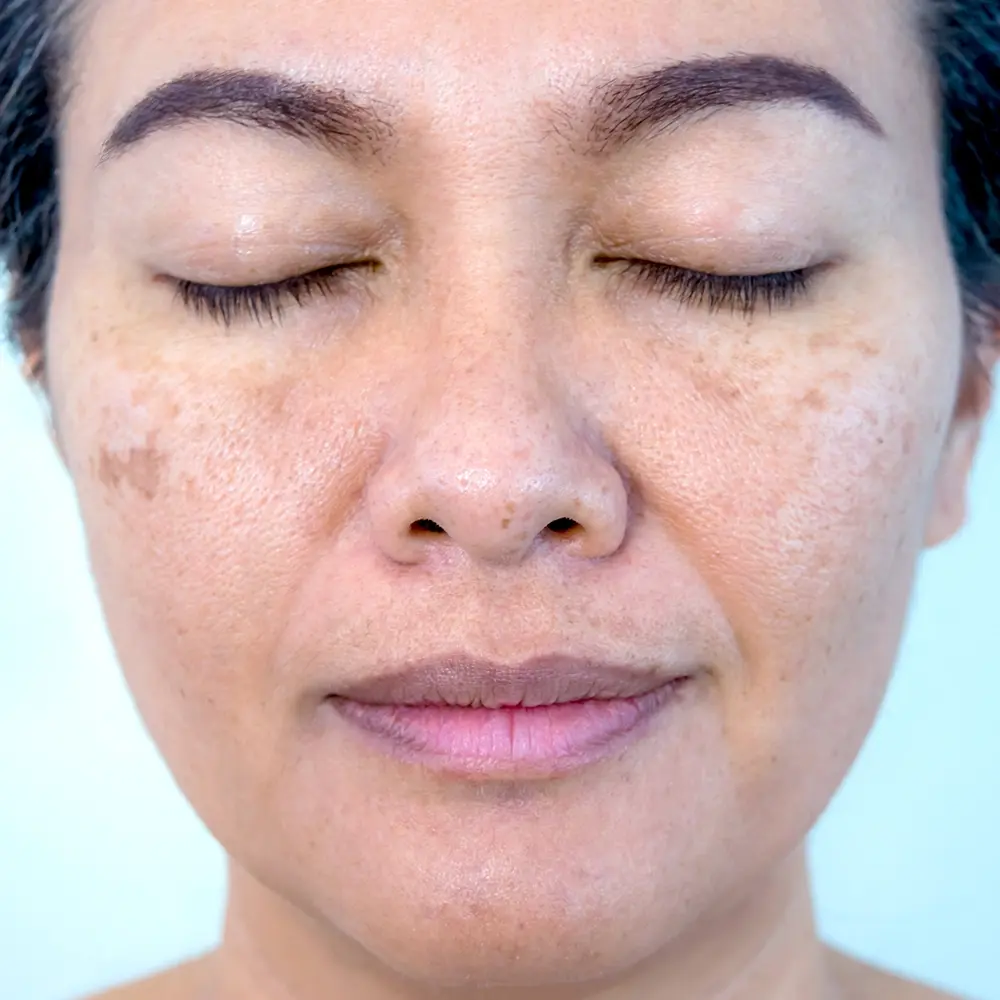
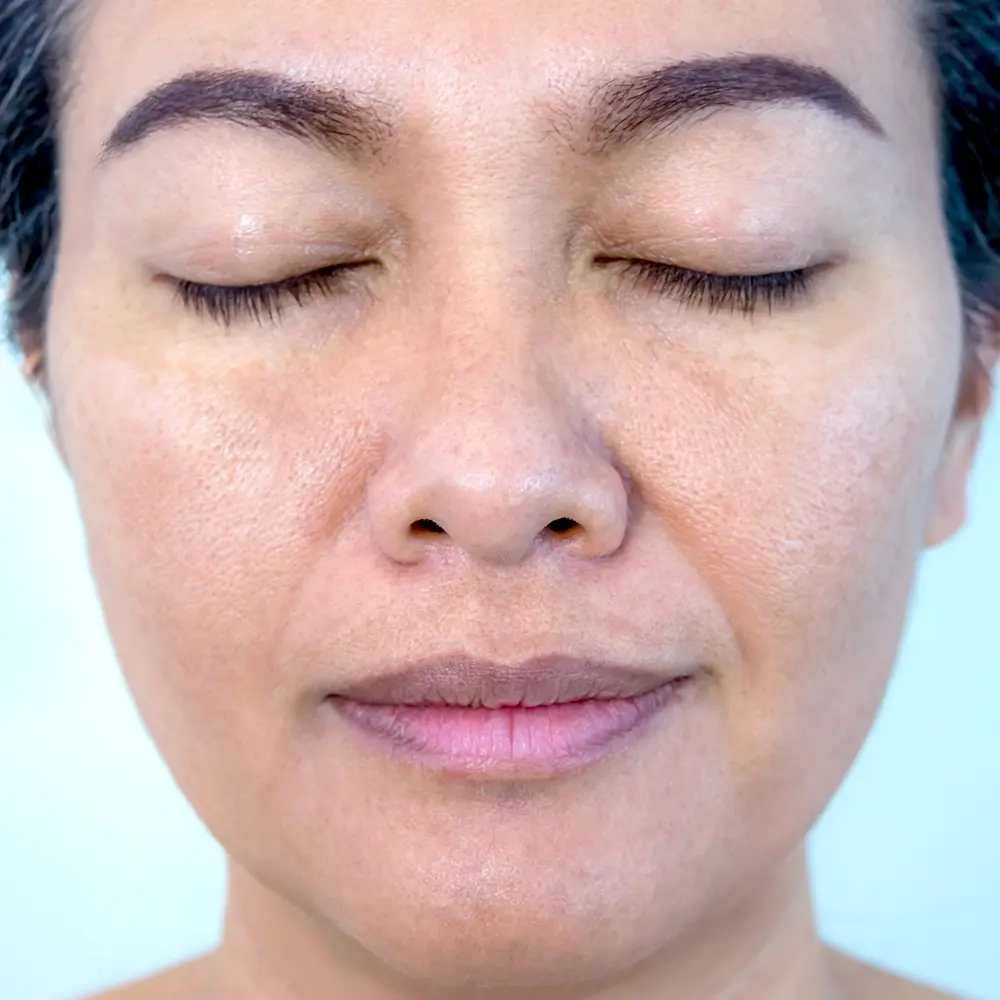
What is melasma?
Melasma is a common skin condition where brown patches appear on the face. Some people used to call it the ‘mask of pregnancy’ because it can sometimes happen during pregnancy. While it was once referred to as ‘chloasmas’, we now prefer the term ‘melasma’ because it’s more accurate in describing the brown color of the patches.
Who gets melasma?
Melasma is a condition where brown patches appear on the face. It’s more common in women, especially between the ages of 20 and 40. People who tan easily or have naturally brown skin are more likely to get it.